NDT Home Network Blog

restore

Debunking the Biggest Misconceptions About Listed Property Restoration

Restoring a listed building is often surrounded by misconceptions that discourage homeowners, developers, or investors from pursuing such projects. Many people assume it is far too restrictive, costly, or time-consuming to even consider. Yet, the truth is that restoration can be a rewarding journey that preserves architectural heritage while also providing long-term value. If you’re weighing the decision, resources like https://www.homify.de/ideenbuecher/9790115/das-sollte-man-vor-der-beauftragung-eines-statikers-wissen offer helpful guidance on preparation before engaging professionals. To clarify, let’s explore and dispel the most common myths about listed building restoration.

Restoring a Listed Building Is Always Too Expensive

One of the strongest assumptions is that restoring a listed building will drain your finances without limit. While it is true that restoration may cost more than modern construction, this does not mean projects automatically spiral out of control. Costs vary depending on the building’s condition, the type of materials required, and the level of conservation work needed. Expenses can be managed effectively with careful planning, phased approaches, and the right contractors. Grants or funding may also be available to support heritage restoration, reducing the financial burden. The key is transparency and budgeting early, rather than assuming expense will make restoration impossible.

You Can’t Make Any Changes to a Listed Property

listing

Another widespread misconception is that once a property is listed, it must remain frozen in time. In reality, you can often make modifications—so long as they are sympathetic to the building’s historic character. Owners are typically allowed to add modern amenities like heating systems, plumbing, or even extensions if they harmonize with the original design. Approval is required, but this does not mean improvement is forbidden. Rather, it ensures changes respect the property’s heritage, balancing modern comfort and preservation.

Restorations Always Take Forever to Complete

Many people avoid listed building projects because they imagine years of scaffolding and endless delays. While restoration timelines can indeed be more extended than modern builds, they don’t necessarily take an eternity. With proper scheduling and experienced specialists, projects can be completed within realistic timeframes. Unexpected structural issues may cause setbacks, but this happens in standard construction too. The important part is to work with professionals familiar with heritage properties, who can anticipate possible hurdles and keep projects moving forward efficiently. Patience is valuable, but assuming every listed restoration will drag endlessly is misleading.

Materials Are Impossible to Source

tiles

People often assume the materials needed for restoring historic properties are rare or unavailable, leading to exaggerated concerns. While some original materials may no longer be produced, modern techniques allow for close replication. Reclaimed bricks, stone, or timber can be sourced to match the property’s look. Craftsmen skilled in traditional methods can also reproduce original features such as plasterwork or window frames. Additionally, technology has opened up new methods to create durable alternatives that blend seamlessly with original designs. Finding materials may require more effort, but claiming it is impossible is simply untrue.

Listed Buildings Are Too Fragile to Live In Comfortably

A final myth is that listed buildings are relics best left as museums, too fragile for practical everyday living. This is a misunderstanding. Proper restoration allows these homes to be functional and comfortable while retaining their character. Structural strengthening, modern insulation, and heating upgrades can make them suitable for contemporary lifestyles. Many families live happily in restored, listed homes, enjoying both the …

concrete wall

The ROI of Reinforcement: Are Concrete Homes the Future of Residential Real Estate?

In a world where climate change, rising insurance premiums, and housing durability are top of mind, homebuyers and developers are looking at more than just square footage and curb appeal. One solution gaining significant traction in the U.S. and abroad is concrete housing. While once reserved for industrial buildings or commercial spaces, reinforced concrete is increasingly making its way into residential real estate—and not just for aesthetics. As this building material evolves, so does the conversation around its long-term return on investment (ROI), energy efficiency, and structural superiority.

The Shift Toward Durable Living

The housing market is beginning to favor longevity over flash. Traditional wood-framed houses, though cheaper upfront, are more susceptible to fire, water damage, termites, and severe weather events. In contrast, concrete homes offer a longer lifespan with lower maintenance. What’s driving this shift? A combination of increasing natural disasters and tighter building codes has many homeowners reconsidering what “home” really means—and whether it’s built to last. In regions frequently impacted by hurricanes, wildfires, or flooding, concrete construction is quickly becoming less of a luxury and more of a necessity. Builders like Die Brandenburger have already integrated concrete’s benefits into modern residential architecture, setting new benchmarks for safety and sustainability.

Insurance and Resale: The Financial Benefits

Insurance premiums are often lower for concrete homes because of their fire resistance and durability in severe weather. In states like Florida, where hurricanes are a real concern, concrete homes can reduce insurance costs by hundreds or even thousands annually. That adds up over a 30-year mortgage. On the resale side, buyers are increasingly informed about the long-term benefits of concrete construction. A home that’s more resilient and less costly to maintain is a strong selling point in today’s real estate market. This resilience also adds perceived value, making concrete homes attractive investments for both families and real estate investors.

The Energy Efficiency Advantage

home construction

Concrete homes are naturally more energy efficient due to their thermal mass, which allows them to absorb and store heat. This means interior temperatures remain stable, reducing the need for constant heating or cooling. Over time, homeowners can expect to see substantial savings on utility bills, particularly in regions with extreme temperatures. Additionally, with more jurisdictions pushing toward net-zero building standards, the built-in energy efficiency of concrete can help developers meet those benchmarks without relying heavily on add-ons or advanced mechanical systems.

Design Flexibility and Aesthetics

Gone are the days when concrete homes looked like cold, gray bunkers. Today’s concrete can be molded into elegant curves, warm textures, and even mimic the look of traditional materials like wood or brick. With techniques like insulated concrete forms (ICFs) and polished concrete interiors, homeowners no longer have to sacrifice beauty for strength. Designers and architects are embracing the possibilities, combining the raw strength of concrete with sustainable, modern finishes. The result is a growing segment of homes that are not only future-proof but also visually stunning.

Sustainability and the Climate-Conscious Buyer

Concrete does have a carbon footprint, primarily from cement production. However, advancements in low-carbon concrete mixes and alternative cements are helping offset those concerns. Moreover, the energy savings over time and the material’s longevity make it a more sustainable option than many assume. Today’s climate-conscious buyers are looking beyond the label of “green” and asking tougher questions about durability …

driveway

Why Permeable Pavers Are a Smart Choice for Your Home Driveway

Making the right choice for your home driveway goes beyond appearance—functionality and sustainability should guide the decision. That’s where permeable pavers shine. With environmental awareness becoming more important for homeowners, the demand for effective, attractive, and eco-conscious paving options has grown. For those thinking about long-term residential renovations, investing in permeable pavers offers a practical and forward-thinking alternative that delivers on multiple fronts.

Reduces the Risk of Flood

Traditional driveways often rely on impervious materials like concrete or asphalt, which can exacerbate stormwater runoff and overwhelm local drainage systems. Permeable pavers, on the other hand, are constructed with intentional gaps or porous materials that allow rainwater to filter through the surface and seep back into the ground naturally. This reduces surface water accumulation, helps prevent flash flooding, and supports groundwater replenishment. Instead of directing water into storm drains and contributing to urban flooding, a permeable driveway essentially becomes a mini filtration system. For regions experiencing more intense weather patterns and water restrictions, this feature makes a real impact.

Helps Prevent Driveway Cracking and Surface Damage

With solid paving, the expansion and contraction of water beneath the surface often lead to cracks, shifting, or potholes over time. Permeable pavers help mitigate this issue by dispersing moisture more evenly and reducing pressure build-up. Because the water doesn’t get trapped beneath the surface, the risk of frost heaving or swelling during seasonal changes significantly decreases. This feature contributes to the longevity of the driveway and minimizes the need for frequent repairs. It’s a subtle advantage that pays off in maintenance savings and peace of mind over the years.

Enhances Aesthetic Appeal Without Compromising Function

curb appeal

While many people assume practical surfaces must sacrifice design, permeable pavers prove otherwise. Available in a wide variety of patterns, shapes, and textures, they offer flexibility in visual presentation while still meeting functional demands. From a modern geometric layout to a more natural cobblestone finish, these systems can fit virtually any architectural style. This design freedom allows homeowners to create a driveway that complements their exterior without being limited by the standard grey slab. Plus, the improved surface traction of many permeable options adds an element of safety, especially in wet conditions.

Increases Property Value Through Sustainability

Eco-conscious upgrades are becoming an attractive selling point in today’s real estate market. A driveway that actively manages stormwater and limits environmental impact can add appeal to prospective buyers. Permeable pavers reflect thoughtful planning and a future-focused mindset—qualities that modern homebuyers appreciate. Moreover, by helping maintain the integrity of nearby landscaping and reducing the likelihood of erosion, these systems contribute to a healthier, more balanced outdoor environment. That can enhance the overall presentation of a property, both visually and practically.

Meets Local and HOA Requirements With Minimal Hassle

HOA rules

In many cities and residential communities, building codes are becoming stricter regarding stormwater management. Some municipalities even provide incentives or rebates for installing eco-friendly surfaces. Permeable pavers often help homeowners stay compliant with these standards while avoiding the headaches that can come with traditional drainage solutions. Since these pavers reduce water runoff and mitigate environmental impact, they’re less likely to trigger red flags during inspections or home evaluations. In short, they provide a proactive way to meet requirements without sacrificing comfort or design.

Choosing permeable pavers for your home driveway is more than …

home

Four Tips to Improve Home Security

When it comes to protecting your home, a proactive approach is key. With increasing concerns about safety, enhancing your home security has never been more important. Thankfully, there are plenty of straightforward strategies you can implement today that won’t break the bank or require extensive renovations. From simple upgrades to thoughtful installations, boosting your home’s defenses can give you peace of mind and help deter potential intruders. Let’s explore four practical tips that will elevate your security game and keep your sanctuary safe from unwanted visitors.

Consider Installing a Fence

A sturdy fence can serve as a strong barrier between your home and the outside world. It not only defines your property line but also adds an extra layer of protection. When choosing a fence, consider materials that are both durable and visually appealing. Wood, vinyl, or metal options can enhance your home’s aesthetic while keeping intruders at bay. For those seeking expert tips for home upgrades, fencing choices should balance beauty with functionality. Don’t forget about height; taller fences provide more privacy and discourage unwanted entry. Additionally, secure gates with quality locks to ensure they remain closed when you’re not around.

Upgrade Locks and Doors

lock

Upgrading locks and doors is a smart move for any homeowner. Standard locks can often be easily picked or bypassed. Investing in high-security locks provides an extra layer of protection against intruders. Consider deadbolts as a primary choice. They are difficult to manipulate and offer solid resistance to forced entry. Additionally, look into smart locks that allow you to control access remotely via your smartphone. Don’t forget about the door itself. A sturdy, solid-core door makes it much harder for anyone trying to break in. Reinforcing hinges with longer screws adds another level of security.

Install a Security System

Installing a security system is one of the most effective ways to protect your home. With various options available, you can choose a setup that fits your needs and budget. Modern systems often include smart technology. This allows you to monitor your property from anywhere using your smartphone. You’ll receive alerts for any suspicious activity in real time. Consider adding features like motion detectors and video surveillance cameras. These additions provide an extra layer of safety, deterring potential intruders before they even approach your door.

Enhance Outdoor Lighting

porch

Outdoor lighting can transform your home’s security and ambiance. Properly lit spaces deter potential intruders by eliminating shadowy areas where they might hide. Consider using motion-activated lights around entrances, pathways, and garages. These fixtures turn on when someone approaches, providing both illumination and a sense of alertness. Incorporating solar-powered lights is also an eco-friendly option. They charge during the day and shine brightly at night without increasing your energy bill. Don’t forget to highlight important features like windows or decorative elements with spotlights.

When it comes to home security, taking proactive steps can make all the difference. A well-thought-out approach not only protects your property but also gives you peace of mind. By considering a fence, upgrading locks and doors, installing a security system, and enhancing outdoor lighting, you create layers of defense against potential threats. Investing time and resources into these improvements is essential for safeguarding your home. Each measure adds an extra barrier that helps deter intruders while making your living space more comfortable. …

Why Adding an Outdoor Kitchen and Patio Is a Smart Home Upgrade

Picture this: you’re hosting friends for dinner, but instead of being stuck inside while everyone enjoys the beautiful weather, you’re grilling steaks under the stars while still being part of the conversation. This scenario isn’t just a dream—it’s what happens when you invest in a backyard kitchen and patio. Smart homeowners are discovering that extending their living space beyond four walls creates opportunities for better entertaining, increased property value, and a completely different lifestyle approach.

Boost Your Property Value Significantly

Real estate agents will tell you that outdoor living spaces are among the top features buyers seek in today’s market. An outdoor kitchen installation typically returns 60-70% of your investment when you sell your home. That’s better than most interior renovations, including bathroom remodels or kitchen updates. The reason is simple: outdoor kitchens represent luxury and convenience rolled into one package. Potential buyers see these spaces and immediately imagine themselves hosting summer barbecues and intimate dinner parties. They’re willing to pay premium prices for homes that already have these features installed, rather than taking on the project themselves.

Transform Your Entertainment Game

oven

Gone are the days when the cook gets banished to the kitchen while guests mingle elsewhere. Outdoor kitchens flip this script entirely, making the chef the center of attention rather than an isolated food preparer. Your grill becomes a conversation starter, and meal preparation transforms into entertainment itself. Friends gather around the cooking area, sharing stories and lending helping hands with food prep. Children can play nearby while parents keep watchful eyes on both dinner and little ones. Weather permitting, you can host gatherings year-round, expanding your social calendar beyond indoor limitations. The patio provides ample space for dining tables, lounge seating, and even games, creating multiple zones for different activities within your outdoor living area.

Create Year-Round Outdoor Living

Many people assume outdoor kitchens are only useful during summer months, but modern design makes these spaces functional across seasons. Fire features like built-in fire pits or outdoor fireplaces extend usable months well into fall and early spring. Covered patio areas protect both equipment and people from unexpected weather changes. Strategic lighting allows for evening cooking and dining even during shorter winter days. Weatherproof storage keeps grilling tools and outdoor dinnerware accessible regardless of conditions. Some homeowners add outdoor heaters or even partially enclosed structures to push the boundaries of outdoor cooking season. The result is a space that serves your family for eight or nine months annually, rather than just peak summer weeks.

Reduce Indoor Kitchen Wear and Summer Heat

heat

Indoor kitchens take a beating during heavy entertaining periods, but outdoor cooking spaces distribute this workload more evenly. Your indoor appliances last longer when they’re not constantly running during party preparation. Air conditioning costs drop significantly when you’re not heating the house with ovens and stovetops during hot weather. Cleanup becomes easier too—outdoor kitchens often feature simplified designs focused on functionality rather than complex cabinetry that traps grease and requires extensive maintenance. Food odors from strong-smelling dishes like fish or heavily spiced foods stay outside rather than lingering in your home for days. The wear and tear on indoor flooring from heavy foot traffic also decreases when guests can flow freely between indoor and outdoor spaces.

An outdoor kitchen and patio combination represents more than just another …

nursery room

Top Color Missteps Parents Make in Nursery Designs: What to Watch Out for

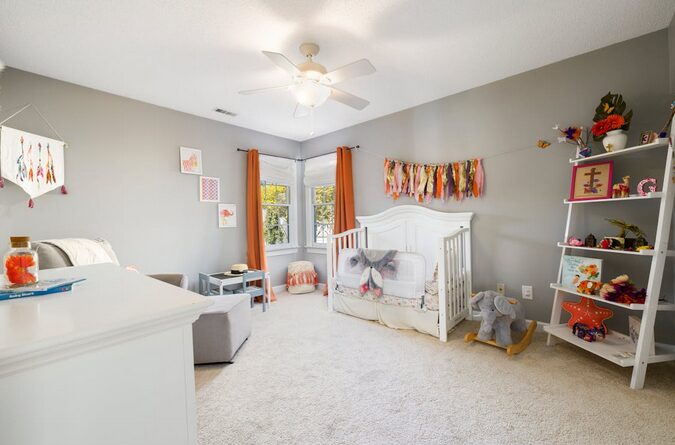
Designing a nursery is an interesting adventure, with dreams of cozy cuddles and sweet lullabies. But amid all the excitement, it’s essential to keep in mind the effect that color can have on your little one. From affecting their mood and sleep patterns to stimulating their senses, color plays a significant role in nursery design. Ideas for your nursery room are plenty, which is why it’s easy to get carried away with bold color choices that might not always lead to the peaceful atmosphere you envision. A splash of vibrant colors might seem perfect in theory, but those bold decisions can sometimes miss the mark when creating a soothing environment for your little one. If you’re embarking on this delightful journey or planning a nursery makeover, you’ll want to avoid common color missteps many parents stumble upon. Let’s dive into the pitfalls that could turn your dream nursery into a colorful conundrum.

Overloading on Bright Colors

lights

Bright colors can be incredibly appealing. They grab attention and energize a space. However, moderation is key when it comes to nursery design. Overloading on vibrant hues might seem fun at first. But too much brightness can overwhelm both you and your baby. It creates an overstimulating environment that may interfere with relaxation and sleep. Instead of painting all four walls in bold shades, consider using them sparingly. A bright accent wall paired with softer tones creates balance while offering visual interest. Think about the furniture and accessories as well. A few colorful toys or cushions can add pops of color without drowning the room in intensity.

Ignoring the Impact of Color Psychology

Color psychology is a powerful tool that many parents overlook when designing their nursery. The colors you select can significantly impact your child’s mood and behavior. For instance, greens and soft blues create a calming environment ideal for sleep, while vibrant reds or yellows may evoke excitement or energy. A room painted in stimulating hues might lead to restlessness at bedtime. Understanding how different shades influence emotions can help you craft the perfect space for both play and relaxation. Consider including gentle pastels alongside playful accents rather than overwhelming brightness.

Choosing Trendy Over Timeless Shades

trendy

Trendy colors can be tempting. They promise a fresh, modern feel to your nursery. However, trends often fade as quickly as they appear. Choosing a shade in vogue today may not resonate with your child’s tastes tomorrow. What seems chic now could look dated in just a few years. Babies grow fast, and their spaces should evolve, too. Consider timeless palettes instead. Soft pastels or neutrals provide versatility while remaining stylish across seasons and trends. These shades create a serene environment conducive to rest and play. Combining trendy accents with classic colors can also strike the right balance. This way, you enjoy current styles without committing entirely to them.

Forgetting About Natural and Artificial Lighting

Lighting can break or make a room, especially in a nursery. Many parents focus solely on color schemes and furniture, overlooking how lighting interacts with those choices. Natural light brings warmth and positivity. Sunny days can dramatically shift the space’s mood. Darker colors may absorb too much light, creating an overly somber atmosphere. Artificial lighting is equally important. A single overhead fixture often isn’t enough for nighttime feedings or diaper changes. …

daylight

The Impact of Building Orientation on Energy Efficiency in Eco Homes

In ecological construction, building orientation is a fundamental yet often overlooked aspect that significantly influences the energy efficiency of eco homes. As shared by westdeutsche Zeitung, proper orientation takes advantage of the sun’s natural path and other environmental factors to reduce energy consumption for heating, cooling, and lighting. By strategically positioning a building on its site, homeowners and architects can harness natural light, optimize ventilation, and minimize the need for artificial heating and cooling. This article delves into the importance of building orientation in eco homes, exploring how this critical design factor contributes to energy efficiency and sustainability.

Maximizing Solar Gain in Winter

One of the primary benefits of proper building orientation is maximizing solar gain during the winter months. In most regions of the world, the sun’s path is lower in the sky during winter, which means that a south-facing orientation (in the Northern Hemisphere) allows a building to capture more sunlight. Large, strategically placed windows on the home’s southern side can absorb and retain heat from the sun, reducing the need for artificial heating. This passive solar design concept leverages natural energy to maintain comfortable indoor temperatures. It’s crucial to minimize obstructions like tall trees or other buildings that might block sunlight to maximize this benefit.

Minimizing Heat Gain in Summer

sun room

While maximizing solar gain in winter is essential, minimizing unwanted heat gain during summer is equally important. In warm climates or during summer, excessive sunlight can lead to overheating, increasing reliance on air conditioning systems. To prevent this, eco-homes should be oriented to reduce direct exposure to the sun during peak hours. These design strategies keep the home cooler during hot weather and significantly reduce energy consumption associated with cooling.

Enhancing Natural Ventilation

Building orientation also plays a crucial role in enhancing natural ventilation, vital for maintaining indoor air quality and reducing the need for mechanical cooling. By aligning the building with prevailing winds, it’s possible to facilitate cross-ventilation, where fresh air enters from one side of the building and exits from the other, creating a natural airflow that cools the interior spaces. This is particularly effective in temperate climates where cooling needs are moderate.

Optimizing Daylighting

Daylighting is another key factor that is directly influenced by building orientation. By maximizing natural light, homeowners can reduce their reliance on artificial lighting, which accounts for a significant portion of energy consumption in residential buildings. A well-oriented eco home can capture abundant natural light throughout the day, especially in frequently used rooms, such as living rooms and kitchens. North-facing windows (in the Northern Hemisphere) are ideal for providing consistent, indirect light without the intense glare that comes from direct sunlight. South-facing windows can be optimized to allow sunlight during winter and shaded during summer to prevent overheating.

daylight

Reducing Energy Costs and Environmental Impact

Ultimately, the strategic orientation of an eco-home can lead to significant reductions in energy costs and environmental impact. Homeowners can dramatically decrease their reliance on energy-intensive heating, cooling, and lighting systems by optimizing solar gain, minimizing heat gain, enhancing natural ventilation, and maximizing daylighting. This translates into lower utility bills and reduces the home’s carbon footprint, contributing to broader efforts to combat climate change.

The orientation of a building is a critical factor that significantly impacts the energy efficiency of eco homes. The strategies discussed …

Prefab House vs. Architect-Designed House: Comparing the Costs

Are you dreaming of a new home? The choice between a prefab house and an architect-designed house can feel overwhelming. In an insightful post at HOUZZ, we learned that both options have unique appeal, but they also come with distinct costs. Whether you’re drawn to the sleek efficiency of prefabricated homes or the bespoke charm of custom designs, understanding the financial implications is crucial. So why not discuss the cost comparison between these two types of houses together?

Initial Construction Costs

When considering initial construction costs, prefab houses often shine as a budget-friendly option. They are manufactured in controlled environments, reducing labor expenses and minimizing waste. This streamlined process can lead to significant savings. On the other hand, architect-designed homes typically come with higher upfront costs. Customization requires skilled labor and unique materials, which drive up the price tag. Each design element adds to the overall expense. However, it’s essential to look beyond just the numbers when evaluating these options.

While an architect-designed house may cost more initially, it could offer features that translate into long-term value. For those on tighter budgets or seeking quicker solutions, prefabs present a compelling choice without compromising quality entirely.

Design and Customization

Now, let’s move on to the design and customization. Prefab houses offer a streamlined approach. Buyers often select from a range of pre-designed models, which can definitely save time and reduce stress during the building process. On the flip side, architect-designed homes provide boundless creativity. Homeowners collaborate closely with architects to create unique layouts that reflect personal tastes and lifestyle needs. Each detail can be tailored—from room sizes to exterior finishes. But let me tell you. This level of customization usually comes at a higher price point. Custom designs require more planning, which translates into additional costs for both labor and materials. Prefab options may limit individual flair but can still accommodate some modifications within their framework.

Construction Time

Prefab houses are built in factories and transported to the site, meaning a more streamlined process and quicker assembly. Architect-designed houses, however, tend to follow a different schedule. Each custom design requires detailed planning and coordination with contractors, which can lengthen the timeline significantly. Weather delays also play a role in traditional builds, extending wait times beyond initial estimates. Prefab options are less affected by these external factors since much of their construction occurs indoors. If speed is critical for your housing needs, prefab may be the better choice.

Quality of Materials

When it comes to quality, prefab houses often use standardized materials. These can be durable and reliable but sometimes lack the unique touch found in custom builds. The focus is on efficiency, which may impact aesthetics. On the other hand, architect-designed homes allow for a personalized selection of materials. Homeowners can choose high-end finishes, sustainable options, or even locally sourced products. This flexibility often results in a more bespoke feel. However, this choice comes with added costs. Customization can drive up expenses significantly depending on what you select.

Long-Term Value

When considering the long-term value of prefab houses versus architect-designed homes, several factors come into play. Prefab houses often offer a quicker return on investment due to their lower initial costs and faster construction timelines. This can be typically appealing for first-time buyers or those looking to minimize financial risk. …
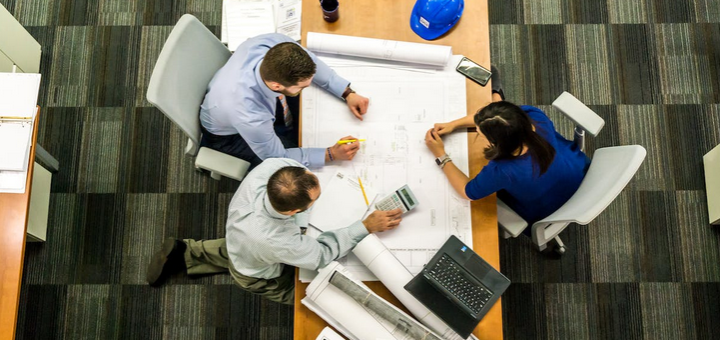
architects

Transforming the Landscape: How Architects Are Redefining Sustainable Homes

The field of architecture has always been at the forefront of shaping the built environment, but in recent years, architects have taken on an even greater responsibility: redefining sustainable homes. With the pressing need to address climate change and mitigate its impact, architects have embraced innovative approaches to design and construction that prioritize environmental stewardship without compromising aesthetics or functionality. In this article, we will explore four key factors that architects are leveraging to transform the landscape and create sustainable homes. For a deeper dive into the advantages of architect-designed homes, you can visit www.immobilien.de/3-Gruende-die-fuer-ein-Architektenhaus-sprechen-1989627.html.

Energy Efficiency

One of the primary focuses when it comes to sustainable home design is energy efficiency. Architects employ various strategies to minimize energy consumption, such as incorporating passive design techniques, optimizing insulation, and utilizing renewable energy sources. Passive design techniques involve harnessing natural elements like sunlight, wind, and shade to reduce the need for artificial heating, cooling, and lighting. This can be achieved through smart orientation of the building, the strategic placement of windows, and the use of materials with high thermal mass.

Sustainable Materials

materials

Architects are also redefining sustainable homes by carefully considering the materials used in construction. Traditional building materials like concrete and steel have a significant environmental impact due to their extraction, production, and transportation processes. To address this issue, architects are exploring alternative materials that are more environmentally friendly, such as bamboo, reclaimed wood, or recycled materials. Additionally, they prioritize using materials with a low carbon footprint and promote the use of locally sourced materials to reduce transportation emissions.

Water Conservation

Water scarcity is a growing concern worldwide, prompting architects to implement water conservation measures in sustainable home design. To reduce water consumption, architects incorporate features like rainwater harvesting systems, greywater recycling, and efficient plumbing fixtures. Rainwater harvesting systems collect and store rainwater for non-potable uses like irrigation or toilet flushing, thus reducing the reliance on municipal water supply. Greywater recycling involves treating and reusing wastewater from sources such as sinks and showers for purposes like landscape irrigation.

Integration With Nature

nature

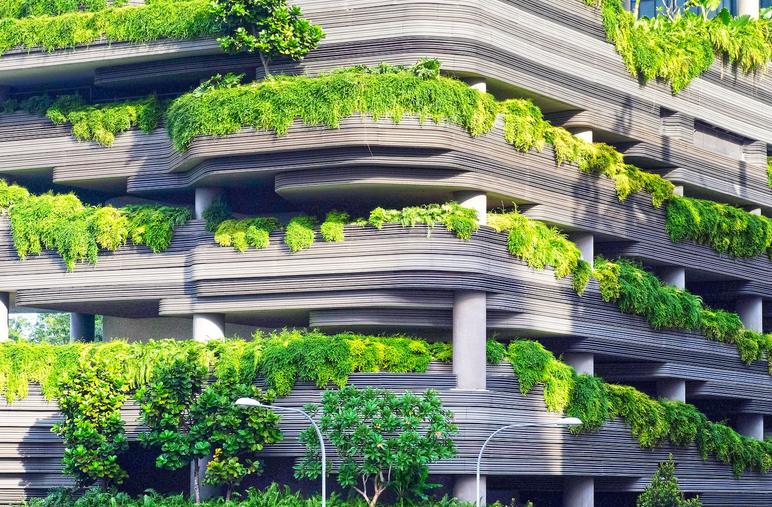
Another factor that is redefining sustainable homes is the integration of the built environment with nature. Architects are increasingly embracing biophilic design, which seeks to connect people with nature through the incorporation of natural elements and patterns. This can be achieved by incorporating ample green spaces, indoor gardens, or even living walls and roofs that support biodiversity and improve air quality.

By emphasizing energy efficiency, sustainable materials, water conservation, and integration with nature, architects are transforming the landscape and creating homes that not only reduce our carbon footprint but also provide healthier, more comfortable living spaces.…

houses

The Rise of Prefabricated Homes: Exploring the Advantages and Evolution of Modular Construction

In the realm of contemporary architecture and construction, a silent revolution is taking shape. One that promises innovation, sustainability, and efficiency. This revolution is none other than the rise of prefabricated homes, where the traditional narrative of construction is being rewritten through the lens of modular marvels. According to Beispielhaus, the allure of prefabrication lies not just in its efficiency but in its promise of democratizing quality architecture. It’s a catalyst for inclusivity, offering a bridge between affordability and design excellence. What was once deemed a luxury reserved for a select few is now becoming a viable option for a broader spectrum of homeowners, transcending geographical boundaries and socioeconomic constraints.

Evolution of a Revolution

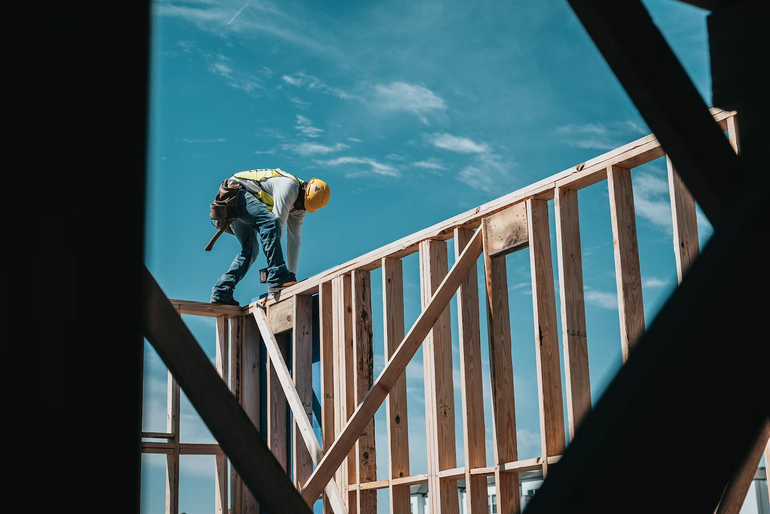
Prefabrication, once relegated to temporary structures or simple modules, has undergone a metamorphosis. Today, it stands as a beacon of modern construction, challenging conventional building practices. The evolution of prefabricated homes has shifted gears, offering bespoke designs and luxury finishes once thought incompatible with modular construction.

Advantages of Redefine Construction

constructionEfficiency is the cornerstone of prefabricated homes. The controlled environment of factory production minimizes delays caused by weather conditions, streamlining the construction process and reducing project timelines by significant margins. The precision of manufacturing ensures a higher degree of accuracy, minimizing material wastage and fostering a more sustainable approach to building. Embracing prefabricated homes is a step towards a greener future. The streamlined construction process reduces environmental impact by optimizing material usage and decreasing transportation needs. Furthermore, the ability to integrate eco-friendly technologies like solar panels, efficient insulation, and rainwater harvesting systems into the prefab modules enhances their sustainability quotient.

Tailored Designs and Flexibility

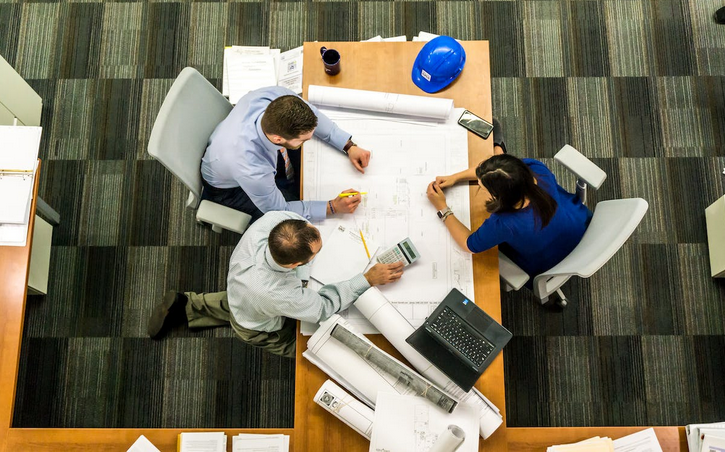
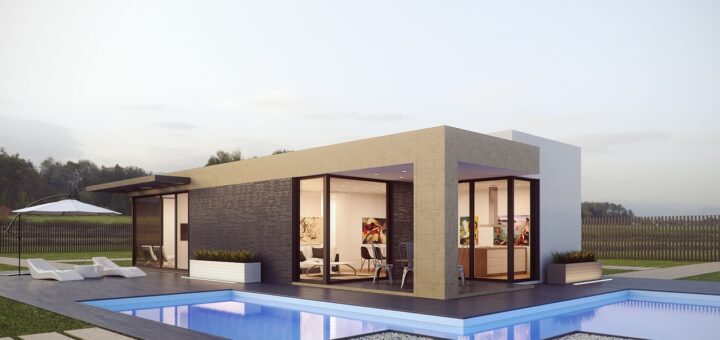
Gone are the days when prefab meant compromising on design. Architects and homeowners now revel in a world of possibilities. From sleek, modern designs to cozy, traditional aesthetics, prefabricated homes offer a plethora of customizable options. The flexibility in design allows for personalization without compromising on quality or structural integrity. The horizon of prefabricated homes continues to expand. Advancements in technology, including 3D printing and robotic assembly, promise further innovation, pushing the boundaries of what’s achievable in modular construction. Additionally, the convergence of sustainability and modular design stands as a beacon, guiding the industry towards a more environmentally conscious future.

Cost-Efficiency and Affordability

cost

While luxury modular homes exist, the inherent cost-efficiency of prefabrication often translates to more affordable housing options. Reduced labor costs, faster construction timelines, and minimized material wastage contribute to making prefabricated homes a viable and cost-effective choice for a diverse range of homeowners. Despite its many advantages, prefabricated homes still battle lingering misconceptions. Some perceive them as cookie-cutter structures lacking in character. However, the reality is far from it. The evolution of technology and design has shattered these stereotypes, offering customizable solutions that cater to diverse tastes and preferences.

The rise of prefabricated homes signifies a paradigm shift in the construction industry. It’s a testament to innovation, sustainability, and adaptability. As we stand on the threshold of this architectural renaissance, it’s not just about building homes; it’s about creating spaces that resonate with our aspirations, values, and dreams. In this new era of construction, prefabricated homes emerge as a symbol of progress.…

Hidden Costs of Prefabricated Houses: What to Look Out For

Prefabricated houses, often prefab or modular homes, are known for their cost-efficiency and streamlined construction process. However, like any major investment, it’s essential to be aware of potential hidden costs that might arise during purchasing and owning a prefab home. In this article, we’ll explore some of the hidden costs of prefabricated houses and provide insights from Immoportal into what to look out for to ensure a smooth and budget-friendly homeownership experience.

Site Preparation

One of the initial hidden costs associated with prefab homes is site preparation. Before your prefab home can be installed, the building site needs to be adequately prepared. This includes clearing the land, leveling the foundation, and connecting utilities. Site preparation costs can vary significantly based on the land’s condition and the site’s location. It’s essential to carefully consider these costs and budget accordingly before purchasing a prefab home.

Transportation and Delivery

While prefab homes are constructed in a factory, they must be transported to your building site. The transportation and delivery costs can vary based on the distance, the size of the modules, and any necessary permits. Investigating these expenses is important when budgeting for your prefab home. Some companies may offer free or discounted delivery as part of their package, so it’s worth researching and comparing different options.

Foundation Work

The foundation of your prefab home is a critical element that ensures stability and durability. Costs can vary depending on the type of foundation required for your specific prefab home. Common foundation options include slabs, crawl spaces, and basements. It’s essential to consult with a professional and factor in any potential costs for foundation work when planning your budget.

Installation and Assembly

The cost of installing and assembling the prefab modules can be a hidden expense. Labor, equipment, and crane rental are factors that impact this cost. While prefab homes are known for their efficiency in this area, it’s important to budget for this construction phase. Some prefab home companies may include installation in their package, while others charge separately. It’s crucial to clarify these details before making a purchase.

Customization and Upgrades

Customization is one of the advantages of prefab homes, but it can also lead to hidden costs. Upgrading materials, finishes, or features beyond the basic model can significantly impact your budget. It’s important to carefully consider which customizations are essential and which ones you can forgo. It’s also worth researching and comparing prices from different suppliers to ensure you’re getting the best value for your money.

Permits and Inspections

Depending on your location, you may need various permits and inspections to ensure your prefab home complies with local building codes and regulations. These costs can vary, so it’s crucial to research and budget accordingly. Some prefab home companies may assist with obtaining permits, while others leave it up to the homeowner. It’s essential to clarify these details and budget for any potential permit fees.

In Conclusion

To ensure a smooth and budget-friendly experience with your prefab home, it’s crucial to be aware of potential hidden costs. While these costs may vary based on your specific circumstances, careful planning, research, and budgeting can help you avoid surprises along the way. A transparent and informed approach to prefab homeownership will enable you to enjoy the many benefits of this innovative and cost-effective …

great roof

Reasons to Invest in High-Quality Roofing Materials

Are you considering investing in a new roof for your home? If so, it’s essential to prioritize high-quality roofing materials. While it may be tempting to opt for cheaper options, the benefits of investing in top-notch materials are undeniable. From durability and longevity to enhanced protection and energy efficiency, there are numerous reasons why choosing high-quality roofing materials is a wise decision. In this blog post, we will explore these advantages in detail and help you make an informed choice when it comes to your roofing needs. So let’s dive right into it.

Durability and Longevity

roof repairWhen it comes to investing in a new roof, durability and longevity should be at the top of your checklist. High-quality roofing materials are designed to withstand the test of time and the harsh elements that Mother Nature throws at them. One key advantage of choosing durable roofing materials is that they can save you money in the long run. While cheaper options may seem like a cost-effective choice upfront, they often require frequent repairs or even replacement within a short span of time.

It is known that high-quality materials are built to last, reducing the need for constant maintenance and replacements. On the other hand, if you notice that your roof has a problem, it is important to address it quickly. If you want to know why prompt roof repairs are crucial to avoid costly consequences, visit https://alldaychic.com/why-prompt-roof-repairs-are-crucial/.

Enhanced Protection

houseWhen it comes to protecting your home, investing in high-quality roofing materials is essential. The right materials can provide enhanced protection against various external elements such as harsh weather conditions, UV rays, and even potential intruders. One of the primary benefits of using high-quality roofing materials is their ability to withstand extreme weather conditions.
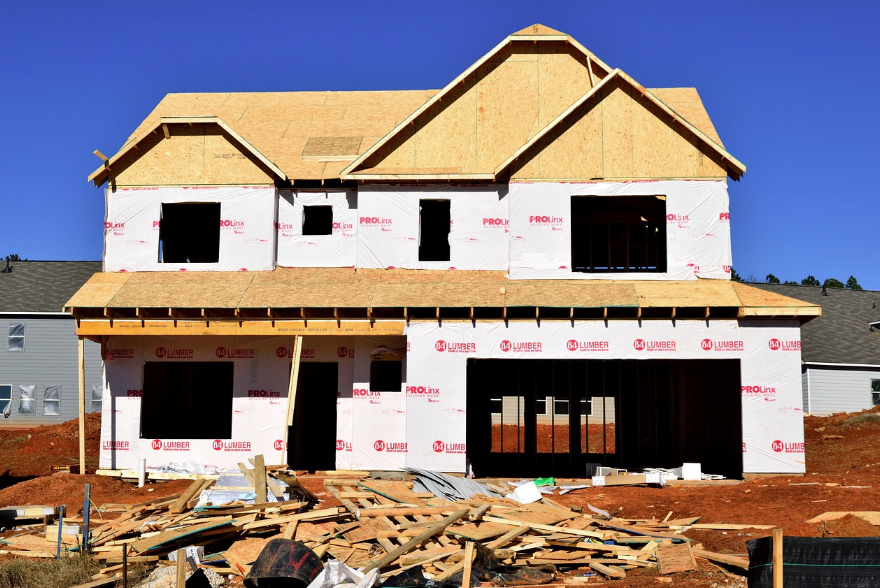
Whether it’s heavy rain, strong winds, or hailstorms, a durable roof will act as a shield for your home. It will prevent water from seeping into your property and damaging the interior structure. In addition to weather protection, high-quality roofing materials also offer defense against harmful UV rays.

Energy Efficiency

Investing in high-quality roofing materials can have a significant impact on the energy efficiency of your home. When you choose materials that are specifically designed to reduce heat transfer, you can keep your home cooler in the summer and warmer in the winter without relying as heavily on heating and cooling systems. A factor affecting energy efficiency is insulation. High-quality roofing materials often come with built-in insulation properties, helping to prevent heat loss during colder months and reducing the need for excessive heating.

This not only helps to lower your energy bills but also reduces your carbon footprint by consuming less electricity or gas. Another aspect of energy efficiency is solar reflectivity. Certain roofing materials are designed to reflect more sunlight away from your home, reducing heat absorption and keeping indoor temperatures comfortable without requiring excessive air conditioning usage.

Sound Insulation

insulated roofAn often-overlooked factor when it comes to investing in high-quality roofing materials is the sound insulation they provide. A sturdy, well-constructed roof can significantly reduce outside noise pollution and create a peaceful and quiet living environment inside your home. Imagine enjoying a calm morning cup of coffee without being disrupted by the sounds of traffic or noisy neighbors. With high-quality roofing materials, you can experience just that. …


laptop

How to Find a Reputable Architect Online

Identifying the right architect for your project can be daunting, especially when you’re relying on online resources to select. However, with the right approach, you can streamline the process and ensure you choose a reputable architect able to bring your vision to life. As much as a domain like Immobilien.de can help you get affordable architects, it’s necessary to learn some helpful pointers. Here are the steps to find a reputable architect online to help you make an informed decision for your project.

Define Your Project Goals

Clearly defining your project goals is crucial before you search for an architect online. Understanding your project’s scope, budget, and objectives will help you narrow your options and find an architect with the right expertise. Whether planning a residential renovation, a commercial building, or a landscape design, having a clear vision will make the selection process smoother.

Research Online Portfolios

One of the most effective ways to find a reputable architect online is by exploring their portfolios. Architects often showcase their previous projects on websites or professional platforms like Houzz, Pinterest, or Behance. Please browse these portfolios to understand their design style, creativity, and expertise in various architectural styles.

review

Read Reviews and Testimonials

Online reviews and testimonials from other clients can provide valuable insights into an architect’s performance and reputation. Look for reviews on platforms like Google My Business, Yelp, or specialized architecture review websites. Pay attention to positive and negative feedback, which can help gauge the architect’s strengths and weaknesses.

Check Credentials and Licensing

Before finalizing your decision, verifying the architect’s credentials and licensing is essential. Ensure that they are registered with the relevant architectural association in your region and possess the necessary qualifications. Licensing ensures that the architect adheres to industry standards and regulations, providing you with peace of mind regarding the quality of their work.

people

Ask for Referrals

Word-of-mouth recommendations can be invaluable when seeking a reputable architect online. Contact friends, family members, or colleagues who have undertaken similar projects and ask for referrals. Personal recommendations can provide a level of trust that online research alone may not achieve.

Interview Potential Architects

Once you have narrowed down your list of potential architects, it’s time to schedule interviews or consultations. During these meetings, ask about their experience, design approach, project timelines, and fees. Establishing a strong rapport with your architect is crucial since you will work closely with them throughout the project.

Trust Your Instincts

While research and due diligence are essential, don’t underestimate the power of your instincts. A strong partnership and effective communication are vital for the success of any architectural project.

man

Review Contract Terms Carefully

Before finalizing your decision, thoroughly review the contract terms and conditions provided by the architect. Make sure that the contract covers all aspects of the project. A clear and well-defined contract will protect both you and the architect.

Conclusion

Finding a reputable architect online requires careful research and consideration of various factors. Your architect plays a crucial role in turning your dreams into reality, so take your time to find the right one for your needs.…

clicking mouse

How to Productively Work from Home

Working from home has become increasingly popular in recent years, allowing individuals more flexibility and freedom in their work schedules. However, this new way of working also comes with challenges, such as staying focused, avoiding distractions, and managing your time efficiently. In order to be productive while working from home, it’s important to establish a routine that works for you. In this blog post, we’ll share some tips on how to create an effective work environment at home so you can stay motivated and achieve your goals.

Create a Designated Work Space

Designating a specific area in your home as your workspace is crucial for productivity. Working from the couch or bed is tempting, but doing so can interfere with your focus and mindset for getting things done. When choosing a designated work space, it’s important to consider factors such as lighting, noise level, and accessibility. Many homeowners who work from home have considered improvements that they can add to their home office. If you are planning to do so, start by getting some items and include fiber testing tools. On the other hand, try to find a spot that is well-lit with natural light when placing your table.

work station

Avoid Any Types of Distractions

The biggest challenge of working from home is avoiding distractions. It’s easy to get sidetracked by household chores, social media notifications, or family members who don’t realize you’re trying to work. But if you want to be productive while working remotely, you must find ways to minimize these distractions. One effective strategy is to create a schedule and stick to it as much as possible. This means setting specific times for work tasks throughout the day. By having a routine in place, you’ll be less likely to veer off course and waste time on non-work-related activities. Another key tip is to turn off any unnecessary notifications on your phone or computer during work hours.

Take Breaks and Move Around Regularly

The perks that come with working from home has the flexibility to set your own schedule. However, it’s easy to get caught up in work and forget to take necessary breaks. It’s important to remember that taking breaks throughout the day can help increase productivity and prevent burnout. When you’re sitting in front of a computer for hours on end, it’s crucial to give your eyes a break. Looking away from the screen every 20 minutes or so will prevent eye strain and headaches. Stand up and stretch your legs while looking out the window or simply close your eyes for a few seconds. In addition to giving your eyes some rest, moving around regularly also helps improve blood circulation and energy levels.

Working productively from home can be challenging, but it is not impossible. By creating a designated workspace, avoiding distractions, and taking breaks regularly, you can significantly increase your productivity levels while working remotely. It’s important to remember that everyone works differently, and what works for one person may not work for another. So don’t be afraid to experiment with different techniques until you find the right balance that suits your needs. Working from home requires discipline and focus, but by implementing these simple tips into your routine, you can remain productive throughout the day without sacrificing your personal life or mental health.…

kitchen

Tips for Buying Kitchen Appliances

Do you need help with what to look for when selecting new kitchen appliances? Knowing which is suitable for your needs can be challenging with so many options. Choosing the right kitchen appliances for easy cooking can be easy if you take the time to analyze each option and how they may fit into your lifestyle. This blog post will discuss key factors you should consider when buying new appliances. Whether you’re looking for something basic or an upgrade on existing technology, these tips will help you find the perfect kitchen item without breaking the bank. Let’s get started.

Prepare Your Budgetkitchen

Now that you’ve taken the time to assess your financial situation and decide how much you can afford, it’s time to start preparing your budget. A budget will help you determine where you need to spend money and what expenses you should cut back on.

Don’t Make Impulsive Purchases to Avoid Regret

Making a quick impulse purchase can be tempting, especially when something is on sale or looks cool. But it’s important to avoid these purchases if you want to stay out of debt and keep your finances in order. It’s easy to fall into the trap of regretting an impulse buy later on down the line when the thrill of the purchase wears off. To avoid this, consider your decisions and the long-term effects before you whip out your credit card. Take some time to figure out if this is something you need or just a short-term solution that will leave you buyer’s remorse later.

Find Trustworthy Appliance Brands

kitchenThe brand is one of the most important factors when shopping for new kitchen appliances. It’s important to research and find out which brands are reliable and offer good customer service. Doing your research can save you time, money, and hassle in the long run. Therefore, when it’s time to purchase new kitchen appliances, keep in mind your needs as a cook. If you primarily make simple meals, then budget-friendly and basic models will suffice. Those who frequently entertain guests or cook large family dinners may consider higher-end products with more features.


And if you like to try out new recipes, advanced appliance functions can be a worthwhile investment. Whatever your cooking style, choosing the right tools for the job can make all the difference in the ease and enjoyment of mealtime preparation.…

tap water

The Key Benefits of Installing Reverse Osmosis Filters

If you’re looking for a way to improve your water quality, you should consider installing a filtration system. There are various whole house filtration types designed to remove impurities from your water and make it safer to drink. This blog post will discuss the key benefits of using a reverse osmosis filter in your home or office. We will also provide tips on choosing the right filter for your needs.

They Effectively Eliminate Contaminants

drinking waterReverse osmosis filters are designed to remove impurities from your water. This includes contaminants like lead, chlorine, and iron. By removing these contaminants, you can improve your water quality and make it safer to drink. In addition, such filters remove sediment and bacteria from your water, making it safer to consume.

They Provide Water on Demand

drinkableAnother benefit of reverse osmosis filters is that they can provide water on demand. This means you won’t have to wait for your tap water to be filtered before you can use it. You can turn on the filter and get filtered water whenever you need it. It can be beneficial if you live in an area with hard water. With a reverse osmosis filter, you can get filtered water without having to wait for the water to be softened.

They Are Energy Efficient

Another benefit of reverse osmosis filters is that they are energy efficient. These filters use reverse osmosis to remove impurities from your water. This process requires very little energy so that you can save money on your energy bills. They are so energy efficient because gravity is the only thing moving the water through the filter.

They Give Better Tasting Food and Drinks

washing fruitsOne of the key benefits of using a reverse osmosis filter is that it results in better-tasting food and drinks. This is because the impurities that can cause problems with your water quality are removed. It means that your water will taste fresher and cleaner. Additionally, you may find that your coffee or tea tastes better when you use water filtered with a reverse osmosis filter.
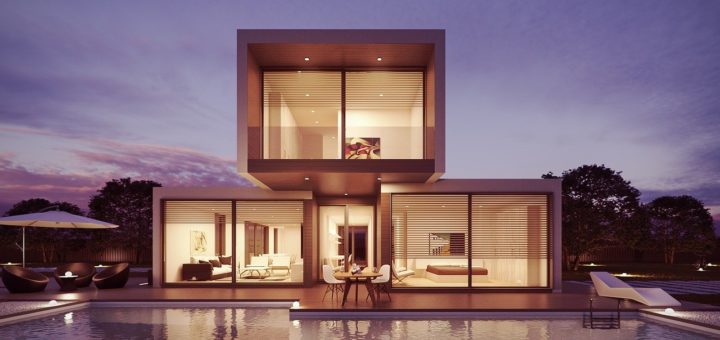

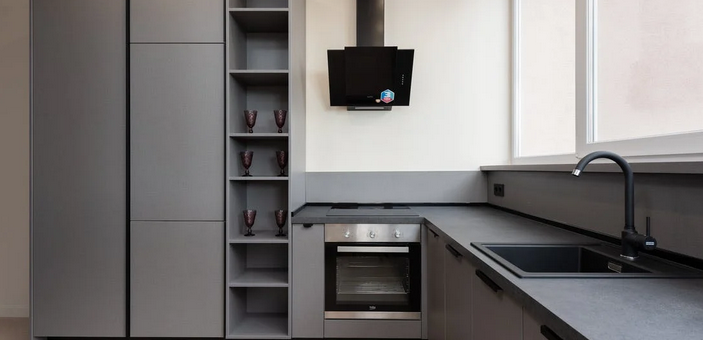
If you’re looking for a way to improve the quality of your water, reverse osmosis filters are an excellent option. These filters are designed to remove impurities from your water and make it safer to drink. They are energy efficient and can result in better tasting food and drinks. When choosing a reverse osmosis filter, consider your needs and choose a filter designed to meet those needs.…

house

Remarkable Ways to Boost Your Home’s Curb Appeal Without Breaking a Sweat

Making your home look appealing from the street is a great way to increase its value, and it’s easier than you think. This blog post will discuss some simple tips that will help improve your home’s curb appeal. Whether you are looking to sell your home shortly or simply want to boost its appearance, these tips will help you achieve your goal. You may need to give fresh paint on your exterior by hiring a professional painter at https://locolpaint.com. Let’s get started on the best ways to boost your home’s curb appeal without breaking a sweat.

Repair or Replace Your Roofingroof

If your home’s roof is in disrepair, it will be one of the first things potential buyers notice. If you’re not planning on selling your home anytime soon, you may be able to get away with patching up any problem areas. However, if you are trying to boost your home’s curb appeal for a sale, it is worth investing in a new roof. It is one of the essential home renovations you can make, and it will undoubtedly pay off in the long run.

Take Care of Your Landscape

Your home’s landscape is the first thing potential buyers will see when they pull up to your property. First impressions are everything, so you want to make sure your yard is well-manicured and aesthetically pleasing. If you have a green thumb, this may be an easy task for you. However, if you’re not exceptionally gifted in the gardening department, you may want to hire a professional landscaper to care for your yard. Either way, taking care of your landscape is one of the best ways to boost your home’s curb appeal.

Upgrade Your Exterior Lighting

Exterior lighting is vital for both curb appeal and security. Potential buyers will feel more comfortable approaching a well-lit home, and it will also deter burglars from targeting your property. There are a few different ways you can upgrade your exterior lighting. You can install solar lights along your walkway or driveway or replace your old light fixtures with new, more stylish ones. Whichever route you choose, upgrading your exterior lighting is a great way to improve your home’s curb appeal.

Rework the Walkway

The last thing potential buyers will see as they walk up to your home is the condition of your walkway. If your walkway is cracked or broken, it will give them a wrong impression of your home before entering. Replacing or repairing your walkway is a great way to boost curb appeal and increase the value of your home. That’s why it’s one of the best home improvement projects you can undertake, and it’s certainly worth the investment. Now that you know some of the best ways to improve your home’s curb appeal, it’s time to get started on your projects. With a bit of effort, you can make a big difference in the appearance of your home.

And as a result, you’ll also be increasing its value. Note that these tips are easy and cheap to follow and will not require much time and money.…

good home

How to Quickly Sell a Property

Are you looking to sell your property quickly? Whether you are relocating for a new job, downsizing, or any other reason, selling your home can be a daunting task. This is why many people choose to work with a realtor these days. The Urban Realist can teach you about great reasons on working with a realtor. Here, we will talk about how to sell a property quickly.

Clean the Property

selling homeThe first step to take is to ensure the property is clean. This means de-cluttering and deep cleaning. You want buyers to be able to see themselves living in the home, and this can be difficult if the space is cluttered or dirty. You may need to hire a professional cleaning service to help you get the job done quickly and efficiently. Cleanliness is very important so you can sell the property quickly.

Make Necessary Repairs

Along with de-cluttering and deep cleaning, you will also want to make any necessary repairs. This could include fixing a leaky faucet, patching up holes in the walls, or repairing damaged flooring. Again, you want buyers to be able to see themselves living in the home, and this can be difficult if there are obvious repairs that need to be made. They must see it as a functional and livable space. Some owners hire professionals so that potential buyers will have a home inspection before making an offer.

Set the Right Price

budgetOnce you have cleaned and repaired the property, it is time to set the right price. This can be tricky, as you don’t want to overprice or underprice your home. You will want to look at comparable properties in the area to get an idea of a fair price. You may also want to consult with a real estate agent to get a professional opinion. This is very important because it could take much longer to sell the property if you set the wrong price.

Selling a property can be a daunting task, but you can quickly sell your home if you follow these simple tips. Keep in mind that the market is constantly changing, so make sure to stay up-to-date on the latest trends and pricing information. If you want to speed up the process, consider working with a professional real estate agent who can help get your home in front of the right buyers. Follow these simple steps, and you’ll be on your way to finding a new home in no time.…

home production

Reasons to Start a Business from Home

There are many reasons to start a business from home. Perhaps you want to be your own boss, or you need more flexibility in your schedule. Maybe you want to save money on childcare, or you don’t want to commute to work. Some people may also pitch ideas like suggesting ice makers and why they’re great. Whatever the reason, starting a business from home can be a great way to achieve your goals. This blog post will discuss some of the top reasons to start a business from home.

Be Your Own Boss

dropshippingOne of the best reasons to start a business from home is that you can be your own boss. It gives you control over your work schedule and how you run your business. You don’t have to answer anyone else, which can be very liberating.

Being your own boss also comes with its own set of challenges. You need to manage your time and stay motivated without someone else pushing you. But if you’re up for the challenge, being your own boss can be a great way to achieve success.

More Flexibility

partnersAnother great reason to start a business from home is that you can have more flexibility in your schedule. It can be especially helpful if you have young children or care for an elderly parent. You can work when it’s convenient for you, which can help you avoid the stress of a traditional job.

It would help if you were still productive when working from home. It’s important to set boundaries and ensure you’re not getting too distracted. But if you can manage your time well, having more flexibility in your schedule can be a huge benefit.

Avoid the Commute

Another significant reason to start a business from home is that you can avoid the commute. This can be a huge time-saver, especially if you live in a big city. You can save time on your daily commute, and you don’t have to worry about fighting traffic or finding parking.

Stay Connected

home businssFinally, one of the best reasons to start a business from home is that you can stay connected with your colleagues and clients. This can be especially helpful if you’re working in a field where collaboration is essential. You can easily communicate with your team without having to leave your house. And you can easily meet with clients without going to an office.


Starting a business from home can be a great way to achieve your goals. These are just a few of the top reasons to do it.…

house party

Five Fun House Party Ideas for New Homeowners

Are you a new homeowner? Congratulations! One of the best ways to celebrate your new home is by throwing a house party. But do you know how to throw one? Luckily, there are plenty of helpful sites nowadays like ashevilleblog.com that we can count on when we don’t have any clue on where to start. Still, we’re going to give you our list of fun ideas to create your party. Here are five fun ideas for your next party:

Create a Signature Drink

drinksWhether it’s cocktails, beer, or wine, create a special drink that will be associated with your party. A good response from the guest would be when they want you to stay behind the bar and keep dishing out drinks.

You can name your drink based on the theme of your party, how it was made, or even its colors. The key here is to be creative! Ask around friends who are good at mixing cocktails and find out what they think about a particular one. If you’re going for something simple like beer, try mixing different kinds that would go well together.

Wine lovers can also get creative with their wine choice by picking a theme, e.g., Italian wines, Australian wines, etc., and having different wine types to match the food menu.

Set up Some Games

gamesGames always help break the ice and make for a more enjoyable party experience for everyone involved. Whether it’s giant Jenga, Twister, or Charades, you want to make sure that the game accommodates all of your guests.

Board games are also fun because it’s a good way for people who aren’t into physical activities to get involved in something more casual. You can even incorporate some drinking rules if you like, e.g., every time someone misses a question or gets out of turn, they have to drink.

Prepare Foods and Snacks

Guests always love snacks, and they’re the perfect way to get them started on the food spread. Dorito Nachos, Candy Bar, and Chex Mix are three easy examples to make in bulk.

You can also layout a table of sodas for your guests who aren’t into alcohol or might be pregnant. It’s always nice to have something non-alcoholic around, so people don’t feel left out.

Make It Interactive

crowdsHave you ever been to a party and had no idea what was going on? Or maybe the people there didn’t seem very friendly? We know what that feels like, so we’re here with some tips for making it interactive.
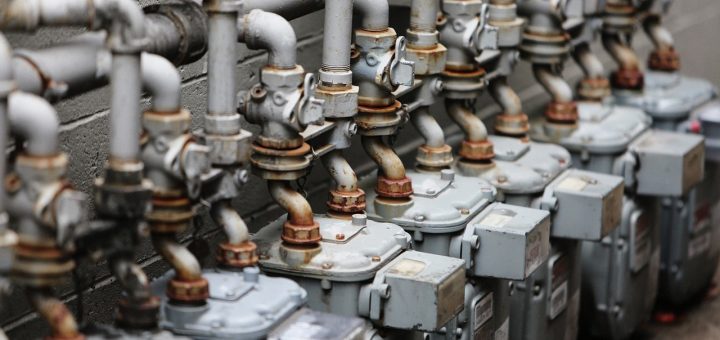

You can put up signs all over the place saying “Welcome!” or something along those lines, so your guests feel appreciated. You can also try games like “Name that Tune” or “Two Truths and a Lie” so people can get to know each other better in a fun way.

Make Decorations

You can make it a themed party if you want more out of your guests, like dressing up in costumes or coming up with a favorite dish. The key here is to be as creative as possible and make it an experience no one will forget!

Decorations are always fun because they can range from simple decorations made out of paper cutouts, balloons, streamers to elaborate ones like hand-painted murals on the walls or a whole setup of different types of …

system

Savvy Guide on How to Pick the Right Reverse Osmosis System for Your Home

If you are looking to purify your water at home, many options are for you. You can install a whole house filter that will take care of the entire drinking water needs in your household, or you can purchase a minor reverse osmosis system. Learn more about the best reverse osmosis systems here. The question is, which option should you choose? This article will help answer that question and offer some insight into what to look for when selecting the proper reverse osmosis system for your home use.

Reverse Osmosis System in Nutshell

waterSo, you may be wondering, what is a reverse osmosis system? Reverse osmosis systems are filtering devices used to remove contaminants from water. It’s an effective way of purifying your drinking water at home since it can reduce up to 98% of the impurities found in tap water. When it comes to removing contaminants and pollutants from water, reverse osmosis is one of the best filtration systems out there. How does it work? Reverse osmosis systems use a semipermeable membrane to remove contaminants from the water.
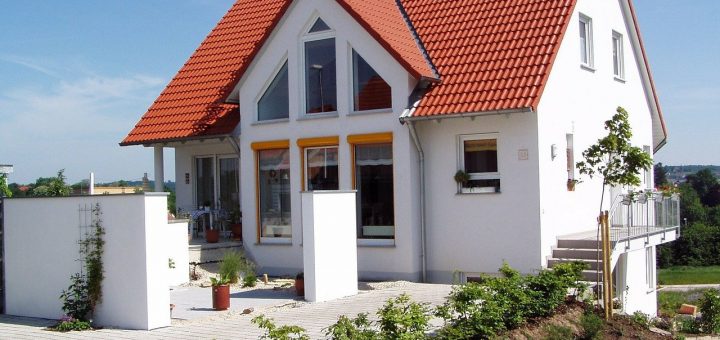

The membrane allows clean water to pass through while trapping the impurities and pollutants. It is why reverse osmosis systems can reduce such a high percentage of impurities – because they use a filter that explicitly removes various contaminants.

Benefits of Installing a Reverse Osmosis System

There are many benefits to installing a reverse osmosis system in your home. First off, as mentioned before, reverse osmosis systems can reduce up to 98% of the impurities found in tap water. It means that you can trust the water coming from your taps to be safe to drink. It is also an excellent option for those who live in areas where the tap water has high chlorine levels or other impurities since reverse osmosis systems can remove these contaminants so that you don’t have to worry about them anymore.


How to Pick the Right Reverse Osmosis System for Your Home

Many reverse osmosis systems are on the market, making it challenging to pick out the best one for your home. However, if you take some time and do some research before making a purchase, you should be able to find an effective standard RO system that will meet your needs. Here’s what to look for when picking out the best reverse osmosis system for your home. The first thing you should do is figure out how many people live in your household.

It will help determine what size RO system to purchase since it needs to be large enough that everyone can get purified water at all times without needing a refill every couple of hours. The type of water you have in your home will also play a role in deciding what type of reverse osmosis system to buy. If you have hard water, you’ll need a system that can handle removing hardness from the water. If you have high levels of chlorine or other contaminants in your tap water, then you’ll need a system that can filter out these impurities.…

house

Things to Consider Before Getting a Rent to Own Property

Buying a home is an investment. It’s also a solid financial decision for those looking to establish their roots and create stability in the long term. Renting to own (or “lease purchase”) could be considered as another option, but it can come with some risks if not done correctly. You can click here to learn more about this purchase. In this article, we’ll explore what you should consider before entering into one of these agreements and why renting might not be your best choice after all!

The Term of the Rental Agreement

unitIf you want to rent to own a property, you must understand the rental agreement term. It is typically for a set number of years, and if you don’t want to purchase the home at the end of that time, you will need to move out. Make sure you are comfortable with this commitment before signing anything! Moreover, if you are looking to establish roots, this might not be the best choice for you.

The Monthly Rental Rate

The rental rate is another aspect you should consider before entering into a lease-purchase agreement. It’s essential to make sure you can afford the monthly payment, and it does not put too much of a financial burden on your shoulders. If this means spending less time at home, then so be it! If one of these two factors isn’t in your best interest, renting might be the better option.

The Property Purchase Price

Like with any other purchase, the property purchase price is an essential factor to consider. Make sure you know how much money you will need to put down to buy the home and whether or not that’s something you’re comfortable doing. If it’s not, then this option might not be for you.

Credits From the Rent Paid Towards the Purchase of the Home

toy houseIf you decide to rent to own a property, any money paid towards purchasing the home must be credited back in full at some point. If this doesn’t happen and you’re forced out for whatever reason, then your efforts will have been useless! Make sure your agreement includes this type of credit before signing anything. If you’re looking to purchase a home in the future and want to start building equity now, consider a rent-to-own agreement. These agreements typically last between two and four years, and at the end of the term, you will need to decide


if you want to purchase the house or move out. Make sure that this commitment is in your best interest, and remember, monthly rental rates are typically higher than they would be for a traditional lease.…

girl

Top 6 Reasons Every Home Needs a Water Softener System

Do you have hard water? Is your skin dry and itchy, or do you notice the soap scum in your dishes is not coming off easily? Do you feel like your hair needs to be washed more often because it doesn’t seem clean even after washing with shampoo twice? The answer to these questions might be that you need a water softener system. We can help you with How to Choose the Right Water Softener System, and the following are six reasons why every home needs a water softener system:

Hard Water Can Cause a Build-Up of Scale on Fixtures and Appliances

faucetScale is another build-up that can occur as a result of hard water. It is a deposit of minerals that forms on fixtures like taps, faucets, showerheads, and appliances like dishwashers and washing machines. It can be challenging to remove and can lead to decreased efficiency of these appliances.

Hard Water Can Cause an Increase in Dryness of Skin and Hair

When your skin and hair are exposed to hard water regularly, it can cause them to become drier than normal. Hard water contains minerals like magnesium and calcium that can dry out your skin and hair.

Hard Water Can Cause Soap Scum Build-Up

Soaps don’t work as well when there’s hard water. The minerals in hard water react with soap to form a scum that is difficult for soaps to remove. This can leave your dishes, glasses, and other surfaces covered in soap scum that is hard to clean.

Hard Water Can Cause a Build-Up of Rust

If you have hard water, likely, you’ll also have rust in your water system. The minerals in hard water react with the metal in your pipes to form rust, which is then released into the water that flows through them.


Hard Water Can Cause Clothes and Hair Towels to Lose Softness

greenChlorine smells terrible, which means clothes smell bad if washed in chlorine-treated tap water. Another issue you’ll probably have if you live in an area with hard water is softness problems for your clothes and towels. The minerals in hard water react with the compounds in laundry detergents and fabric softeners to form a residue on your clothes and towels, making them feel stiff.
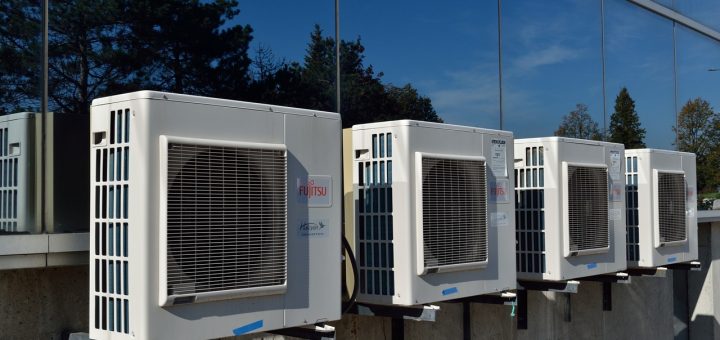

Hard Water Can Cause Problems With Dishwasher Performance

If you have hard water, it can be difficult for your dishwasher’s cleaning agent to work as effectively as it should because minerals like magnesium and calcium can bind with it and reduce its ability to clean dishes.

The Takeaway

Remember that it’s better to have a water softener system and not need it than to need one and not have it. If you’re experiencing any of the problems listed above, it might be time to invest in a water softener system for your home.…

ac

AC Troubleshooting Tips: How to Find Out If It’s Working Correctly

You may not realize it, but your air conditioning unit is probably one of the essential appliances in your home. It’s the only thing that can help you get relief from the sweltering summer heat or cold winter temperatures. If you’re having trouble with yours, you need to know the problem with your AC. That’s why learning AC troubleshooting is a must. Here are some tips to check if it’s working correctly:

Check the Vents and Air Flow

unitsFirst off, make sure the vents are not clogged by dust or pet hair and that they’re pointing in a direction where there will be circulation. Then, take a look at the airflow. Make sure it’s coming from the vents. If there isn’t any, you may have a refrigerant leak or low airflow due to clogs or dirty filters that need to be changed immediately.
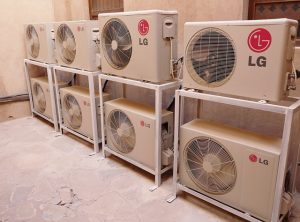
Try turning on your air conditioner and seeing if it starts blowing out cold air. Turn off all of the appliances in your home before doing so to prevent any short circuit break.

Listen to Any Noises Coming From Your AC

Another thing you can do to check if your AC is working is to listen for any strange noises. If you’re hearing a rattling noise, it may mean that the compressor is loose and needs to be tightened. A squealing sound could be a sign of a belt malfunction. And clicking noises could indicate an electrical problem. The noises need to be addressed immediately so your air conditioner will continue working correctly.

Find Out the Temperature of Your Home

airconAnother way you can check if your AC is in good working order is by checking your home’s temperature. If it’s hot and humid, don’t immediately jump to conclusions that your AC isn’t cooling down correctly because there could be some reasons for this, such as the humidity outside or too many appliances running inside.
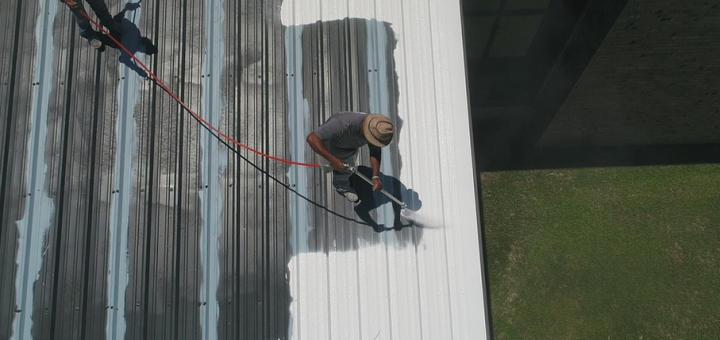
However, suppose you’re noticing that your AC is not cooling down at all despite it being fixed correctly, and there aren’t any appliances on in your home that could be causing the problem. In that case, you might want to call an HVAC technician since it’s likely that there’s something wrong with your AC.

See for Any Leaks

If your AC is leaking water, this is a sign that something is wrong and needs to be fixed as soon as possible. Not only can leaks damage your furniture or flooring, but they could also lead to electrical problems. So if you spot any leaks coming from your AC unit, make sure to call an HVAC technician right away.

These are just a few tips to help you determine if your air conditioner is working correctly. If you’re still having trouble, don’t hesitate to call an HVAC technician for help. They’ll be able to diagnose the problem and fix it quickly!…

roof restoration

The Advantages of Hiring a Roof Cleaning Service

It’s time to give your roof a deep clean. You’ve been putting it off for months now, and you’re starting to see the effects of letting mold and mildew build-up on your roof. It’s time to call in the professionals! (Click Here)

Hiring a roof cleaning service is one of the best decisions you can make for your home or business, as they will be able to remove all those pesky stains that have been plaguing you. Here are six reasons why hiring a professional contractor makes sense:

Guaranteed Safety

They know how to safely use chemicals that won’t damage your property or harm your family members. You can count on them to keep your roof looking spotless without causing any damage that will decrease the value of your property! Why take the risk when there are so many benefits to hiring a roof cleaning company?

Fast Results

cleaning roofProfessional contractors will be able to offer you fast results. When’s the last time it rained after you’ve cleaned your roof yourself? Well, you can expect the same thing when working with professionals – they will have all their tools ready and waiting so that once done, they can take care of any remaining stains before the next rainfall. Hiring an expert ensures that you’ll be satisfied while they clean your roof with ease.



Avoid Injury

If you’ve been putting off hiring a professional service, then that means there are probably some parts of the roof that are difficult for you to get to. You could fall and injure yourself while trying to reach these hard-to-clean areas without adequate experience or equipment.

Manageable Costs

Even if it’s not cheap, hiring a contractor is still more cost-effective than putting money into new roofs every few years because of mold and mildew damage resulting from neglecting yearly deep cleans. A professional service will thoroughly scrub the surface of your roof, removing all the stains that have accumulated.

No Hassles for You

They will come to you, making it easy for busy homeowners or business owners who can’t spare time away from work. Remember that you’ll need to make sure the service has insurance in case anything happens during their visit.

Dirt-Free Roofs in No Time!

The results are guaranteed, and their process is quick – they’ll have your roof looking spotless in no time! Because they provide an extremely thorough cleaning process, you won’t have to worry about needing to get your roof cleaned again for several years.

The Bottom Line

If none of these reasons convince you, then maybe this will: hiring a professional contractor can actually save time and money in the long run! Call today so they can start making your life better tomorrow!…

decoration

Ultimate Guide to Building House Floats for Mardi Gras

Mardi Grass is right around the corner! Mardi Gras (March 4th) is one of the most celebrated festivals in North America. Mardi Gras is the French term for “Fat Tuesday,” which falls before Ash Wednesday. Mardi Gras usually lasts until midnight on February 12th. Celebrating Mardi Gras, like any other holiday, means getting into character. Learn more about this festival and its iconic house floats at www.bigeasymagazine.com. Masks are a must-have for Mardi Gras parades, but it’s also essential to get your home ready too! House floats are an integral part of Mardi Grass celebrations, and this guide will teach you how to build them on a budget.

home floats

Overview of House Floats

What are house floats, and why do people build them for Mardi Gras? If you have this question in your mind, I have you covered here. First off, a house float is a way to enjoy the Mardi Gras festival. People usually redecorate their houses with many things to bring up the Mardi Gras vibe. These include colorful neon lightings, fun music systems, and cheerful accessories. People celebrate this Mardi Gras festival every February or March to commemorate the Mardis or “fat Tuesday” before Lent, or more precisely Ash Wednesday. It marks the beginning of fasting in Roman Catholics and some other Christian denominations.

Tools and Materials Needed to Build a Home Float

big maskAfter learning the basics, it’s time for some preparation. To build a nice house float, you need some materials and tools. First, you are going to need Mardi Gras beads. Mardi Gras beads are available in different colors and also shapes. You can use them as costume accessories or create beautiful Mardi Gras masks, necklaces, crowns, etc. Covers are also necessary to make your Mardi Grass house float even more colorful and attractive. Some paints will help paint the exterior of your Mardi Gras house floats. Depending on what you prefer most, you may get them from a craft store near you or purchase them online. The tools are simple. You just need your hands, paintbrushes, some screwdrivers, a hammer, cutting tools, glue, tape, and many more.

Steps to Build a Horse Float

Now, it’s time to build your house float. There are several steps that you need to take. First off, you need to gather the supplies mentioned above. Then, make a template from a cardboard or poster board. Make sure to trace the shape onto plywood and cut it out with a jigsaw. Next, you need to sand down all the edges to remove sharp points, then paint it with exterior grade paint. In building a house float, you need to be more creative than you have ever been. It’s as you need to decorate your float however you want. Continue perfecting your house float by adding lights to give your float that extra oomph at night time!  Load up your float with goodies like water guns and snacks for friends and family members who watch you parade around town! Stay safe by wearing bright colors so people can easily spot you from afar, but don’t forget to have fun too!

Tips to Make a Jaw-Dropping House Float

Now, what makes for an excellent house float design? You can try to go as simple as possible by using Mardi Grass-colored balloons and …